Space Tether Structure: Counterweight Design
As a part of a club called SLING or Space Loving Individuals Negotiating Gravity, I am working on a Space Tether Structure and specifically working on a counterweight design. I am working on the implementation of this idea from concept to prototype. Below is some of my work and thoughts on this project that I’ve worked on so far.
Current Status
The Goal: The goal that I have been given is to come up with a design and prototype of a counterweight which includes a variable weight system for testing and analysis purposes.
The Design:
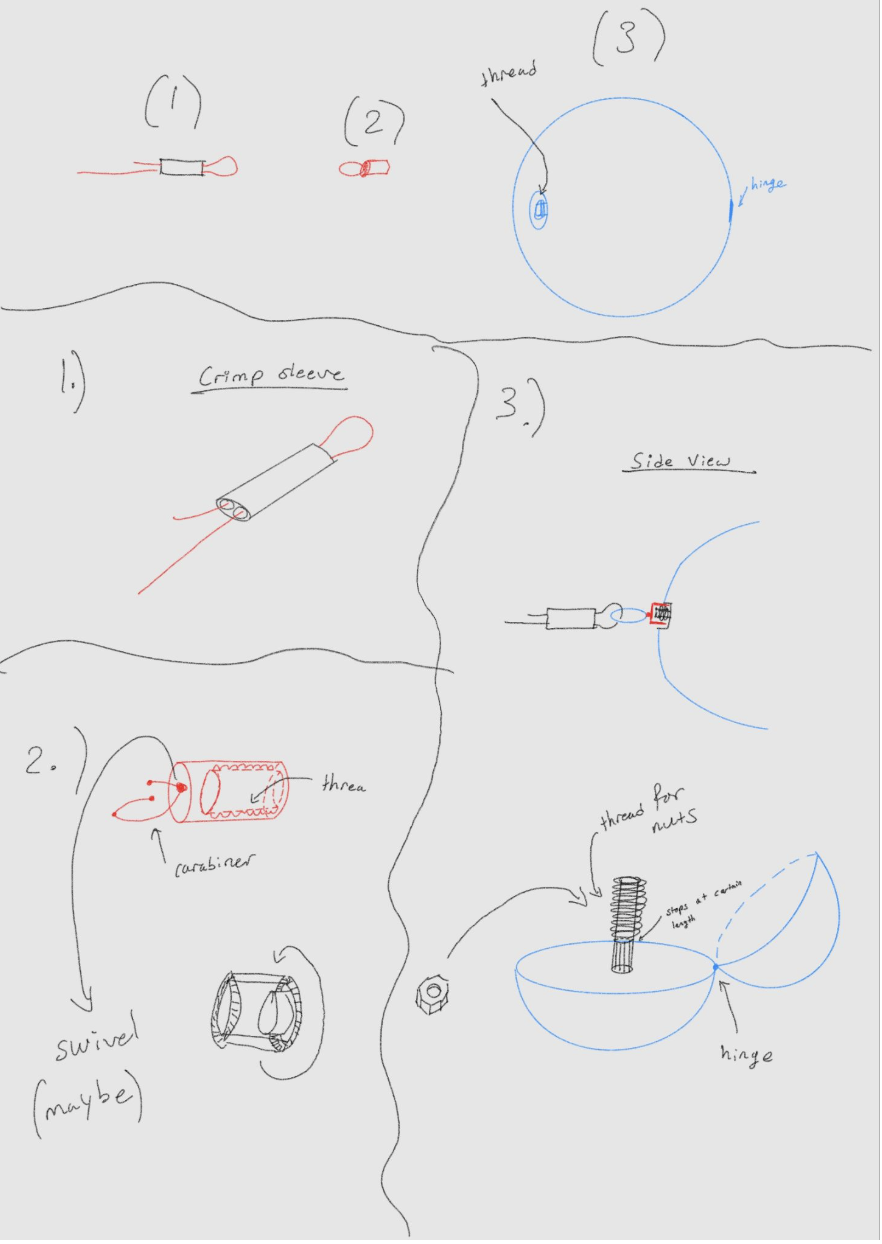
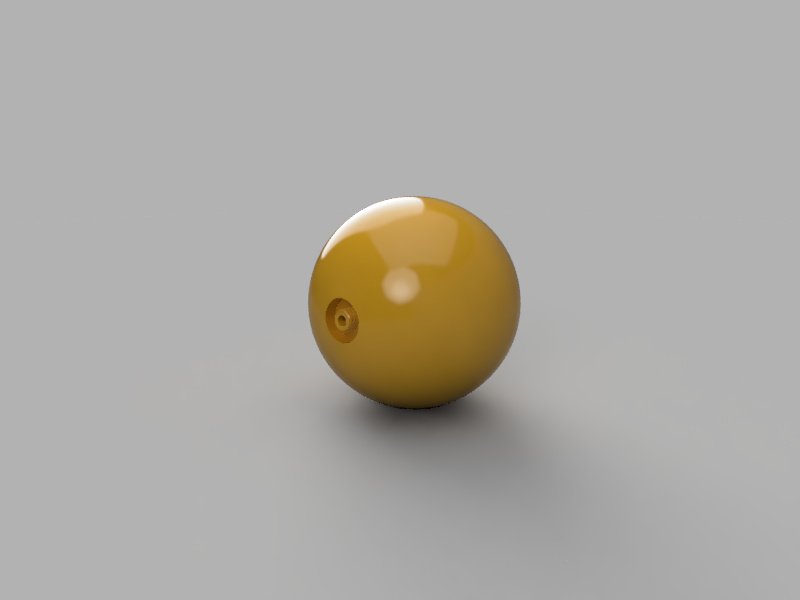
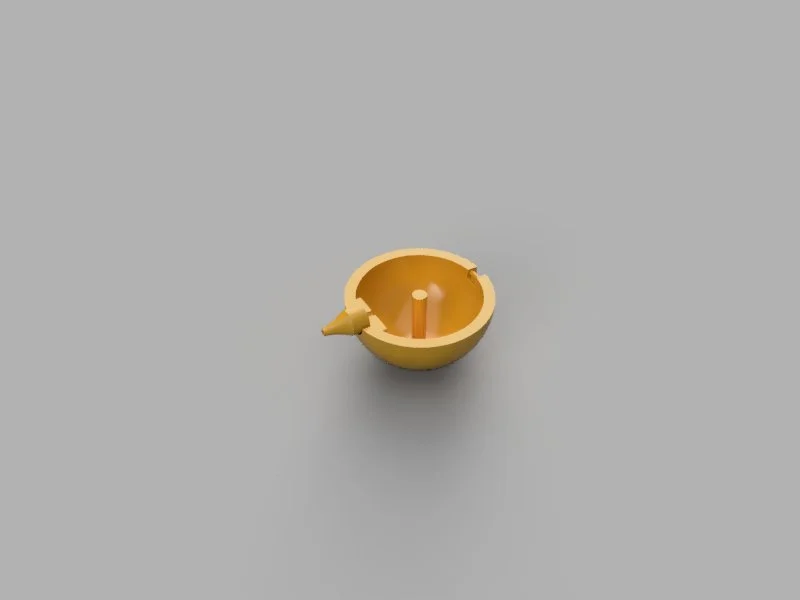
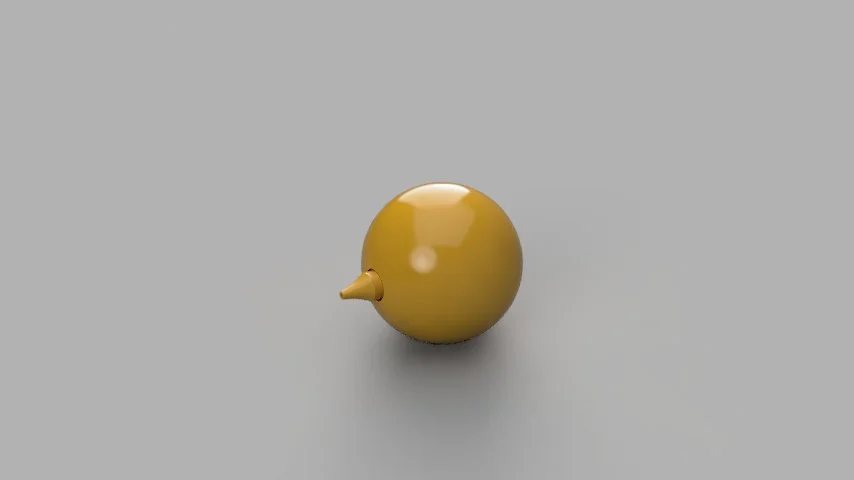
Spherical Shell: A singular ball with a hollow inside. You want to keep it in a ball shape for better aerodynamics during testing and because it’s easier to calculate. The two sides open and close by screwing and unscrewing onto a central threaded shaft.
Variable Mass and CoM: he inside reveals a threaded bolt to attach weights (nuts) for variable weighted test demonstrations. This design is intentionally simple, as it's the most practical way to vary the weight between each test. If the weight changes, so will the center of mass (CoM).This is as long as you perfectly balanced an equal number of nuts at the exact same distance above and below the center of the sphere every single time a test is ran.
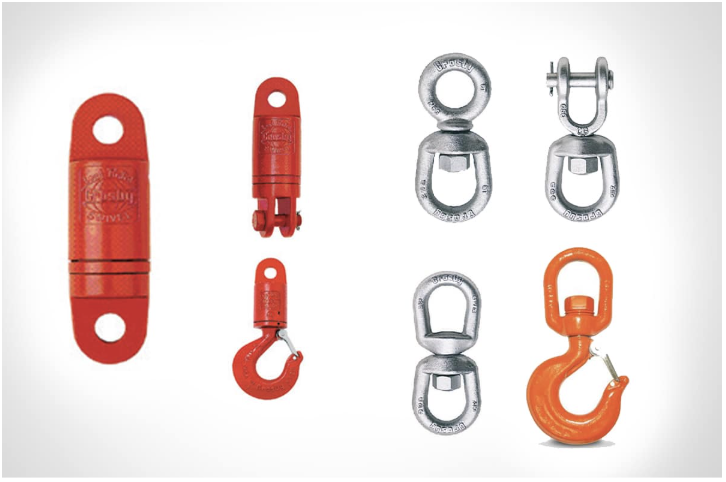
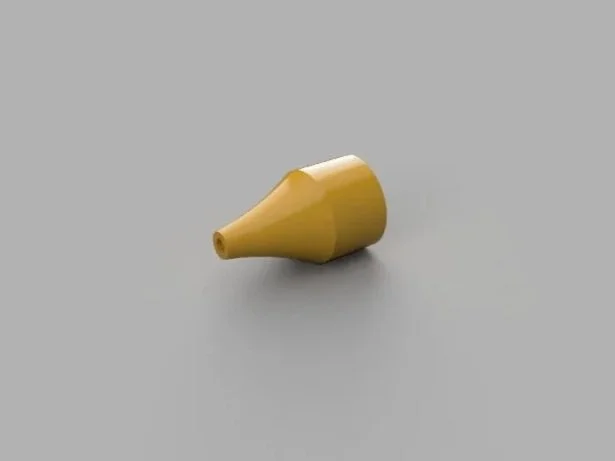
Tether Attachment/Strain Relief: That central shaft includes a load-bearing swivel which the tether connects to, making it easy to attach and freely move. I am using a crimp for the tether attachment to the counterweight because it’s secure, along with a strain relief jacket, like you see on charging cables, to relieve the tension at the connection point between the tether and the counterweight.
Renders of Design
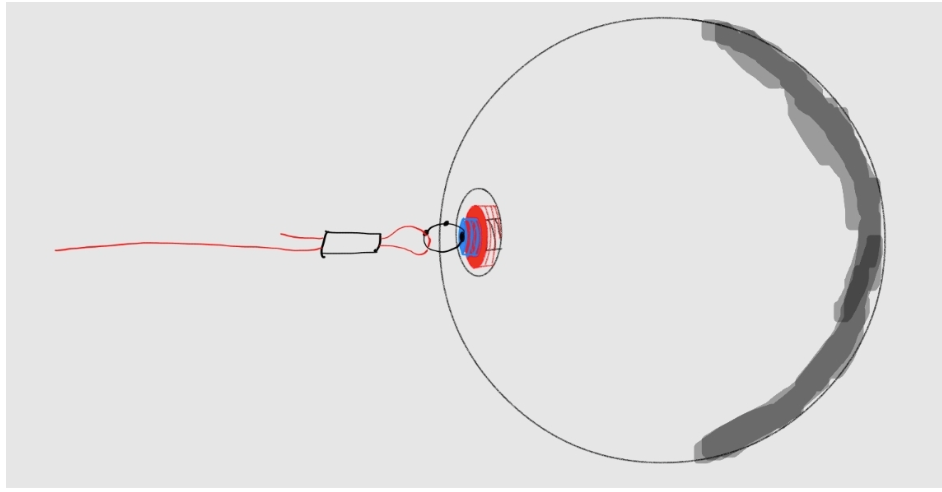
A load-bearing swivel is a good way to stopping torsional bind-up. It takes the full axial load of the counterweight, but lets it spin freely without dumping that rotation back into the tether. Without it, you’d get a nasty "unwinding" effect running up the line, which would cause the tether to whip around or even fail. Basically, it seperates the two; the tether just handles the pull, while the swivel takes the torque at the connection point.